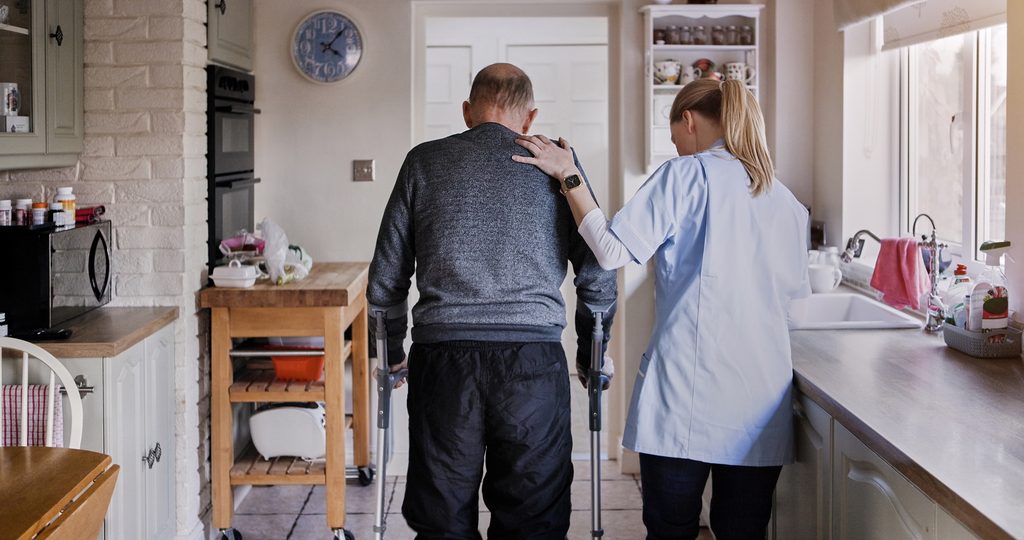
Spotting the signs your parent needs help at home is not always easy. Changes often come slowly, and a parent who wants to stay independent may work hard to hide them. As a family of nurses who have cared for seniors across San Diego County since 1999, we have learned that the earliest clues usually show up in everyday life, long before a crisis.
Here is what to watch for, and what you can do next.
Changes Around the House
A home often tells the story before your parent does. Look for:
- Spoiled or expired food in the refrigerator, or very little food at all
- Piles of unopened mail, late notices, or unpaid bills
- A house that is much less tidy than it used to be
- Laundry piling up, or the same sheets on the bed for weeks
- Plants, pets, or the yard that are no longer being cared for
Changes in Personal Care
Daily routines like showering, dressing, and grooming take strength, balance, and energy. When those start to slip, it can be one of the clearest signs your parent needs help at home. You might notice your parent wearing the same clothes several days in a row, skipping showers, losing weight without trying, or missing medications. For example, Mom may be in the same sweater every time you stop by, or Dad’s belt may suddenly be on a tighter notch. A pill organizer that is still full at the end of the week is worth a closer look.
Safety Warning Signs
Some signs your parent needs help at home mean help may be needed sooner rather than later:
- A fall, or several near-falls, even without injury
- Bruises your parent can’t explain
- Scorched pots, burners left on, or a smoke alarm going off
- New dents or scratches on the car, or getting lost while driving
- Trouble getting up from a chair, in and out of bed, or on and off the toilet
Changes in Memory and Mood
Everyone forgets things now and then. It becomes a concern when your parent repeats the same questions, misses appointments they never used to miss, or seems confused about the day or time. For example, your mom used to call every Sunday and now you are always the one calling, or your dad asks three times during lunch when you are coming back. Pulling away from friends, church, or hobbies they once enjoyed can also be a sign of loneliness, depression, or memory changes. The Alzheimer’s Association lists 10 early signs of Alzheimer’s that are worth reading, and their doctor is the right person to talk to about any of them. If memory loss is part of the picture, our caregivers are dementia-trained. Learn more about our dementia home care.
Confusion that comes on suddenly, over a day or two, is different from slow changes. Call their doctor right away, because sudden confusion can be a sign of an infection or another medical problem.
How to Check In Without Making Your Parent Feel Watched
Most parents don’t want to feel inspected. These everyday ideas let you see how things are really going while you simply spend time together.
- Stay for a meal. Cooking together shows you what is in the refrigerator, and whether your parent is eating well.
- Offer to help with a chore. Folding laundry or sorting the mail together gives you a natural look around the house.
- Take a short walk. Watch how steady your parent is, and whether they need to stop and rest more than before.
- Ride along. Let your parent drive you to the store so you can see how comfortable they are behind the wheel.
- Ask open questions. “What’s been the hardest part of your week?” gets a more honest answer than “Are you doing okay?”
Keep a Simple Notes Log
Write down what you notice, with the date, in a notebook or on your phone. A few short lines are enough, such as “Oct 12: Mom missed her eye appointment and said no one told her” or “Oct 19: Dad was out of breath walking to the mailbox.” Over a few weeks, a log shows whether changes are a one-time slip or a pattern. It also gives you specific examples to share with their doctor and the rest of the family.
When the Family Caregiver Needs Help Too
Sometimes the clearest signs are in you. If you are the one driving to every appointment, checking in every evening, and lying awake worrying, that load adds up. Missing work, feeling short-tempered, or getting sick more often are signals that your family needs support, too. Bringing in a caregiver for a few visits a week can give you time to rest and let you go back to simply being their son or daughter.
If You Are Noticing These Signs in Yourself
Not everyone who reads this is a worried adult child. If you are the one finding that housework, errands, or getting ready in the morning have become harder, asking for help is not giving up your independence. It is often what protects it. You do not need a doctor’s order to start home care, and you can call us yourself. Our article on home care vs. home health explains the difference.
What to Do When You See Signs Your Parent Needs Help at Home
- Look over your notes log and pick the two or three examples that worry you most.
- Talk with your parent calmly and privately, and listen to what they want. Our guide on how to talk to your parents about home care includes example words you can use.
- Share your concerns with their doctor, especially about falls, weight loss, or memory.
- Schedule a free in-home evaluation. A nurse visits the home, learns what is needed, and recommends a level of care, with no cost and no obligation.
Common Questions
How do I know if it is really time for home care?
If you are seeing more than one of the signs above, or if any safety sign has shown up, it is a good time to talk with a home care agency. Starting early, with a little help, is usually easier than starting after a fall or hospital stay.
Can we start with just a few visits?
Yes. Visits start at four hours, and you choose the days. There is no long-term contract, so you can add hours or scale back as needs change. Our home care cost page explains what shapes a quote.
What kind of help can a caregiver give?
Caregivers help with personal care, meals, light housekeeping, medication reminders, errands, transportation, and companionship. See all of our home care services.
Where do you provide care?
We are based in Vista and care for families throughout North County and across San Diego County, including Oceanside, Carlsbad, Escondido, and San Marcos.

Talk With a Family of Nurses
If you are seeing signs your parent needs help at home, you do not have to sort it out alone. Call us any time. If you leave a message, even after hours, we call you back within 30 minutes.